
Daily well-being
Balance is built in small, recurring pauses
Physical balance rarely comes from a single exhaustive retreat weekend. It takes shape through short, repeated moments of rest woven into ordinary days. Our reporting explores how relaxation, breath and gentle movement can support the body's stress response without promising a dramatic result.
Each practice we cover is described with its purpose, its limits and what current research can and cannot say about it. Where evidence is still preliminary, we say so plainly and point to the institutional sources behind our summaries.
Environment
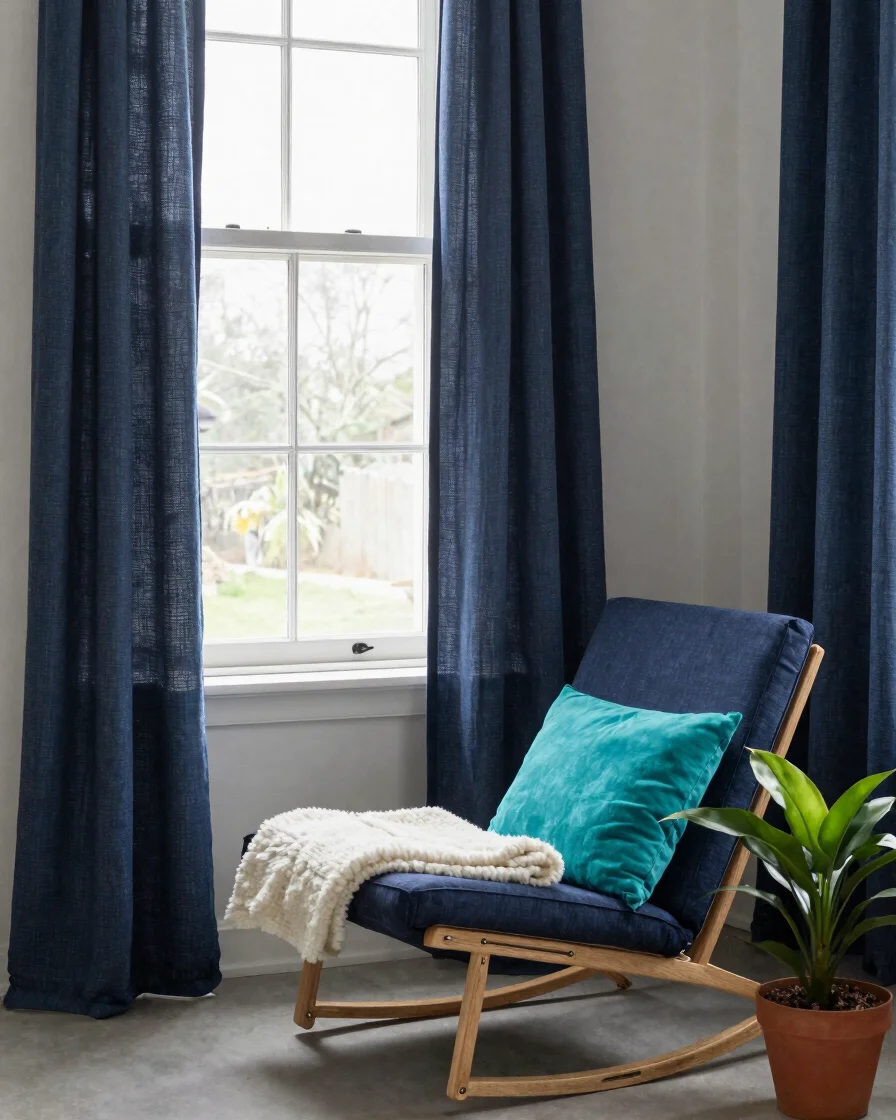
Quiet spaces that support rest
Natural light, uncluttered surfaces and a calm palette can make a room easier to settle into. Small choices about where we sit, how we light an evening and what we keep in view all shape how quickly the nervous system begins to slow down.
We look at how simple domestic and workplace corners can be arranged for decompression, from a window seat for a few slow breaths to a low-light nook reserved for quiet reading.
Everyday habits
Three practices for a steadier day
Realistic habits that fit around work, training and family life.
Breath
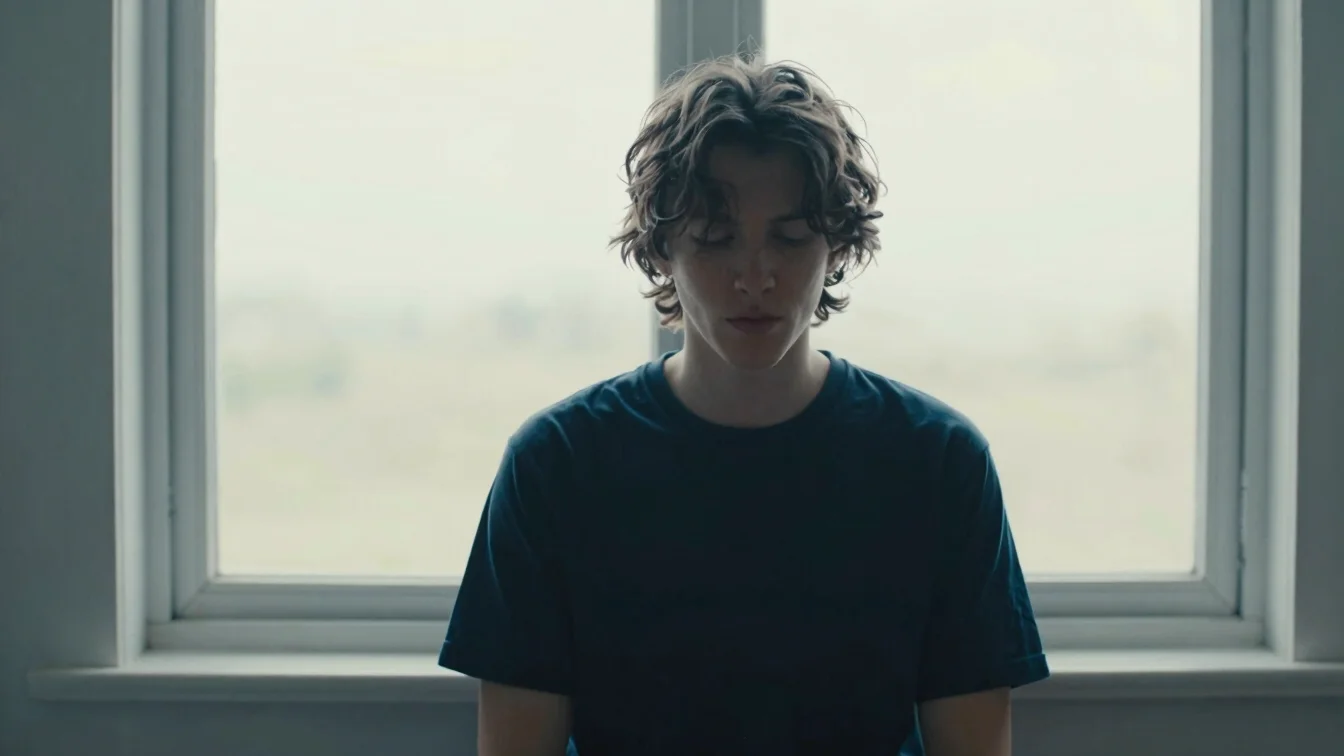
Slow exhalation pauses
Lengthening the exhale for a few minutes can be a simple way to pause between tasks. Research on paced breathing is promising, though results vary between people.
Posture
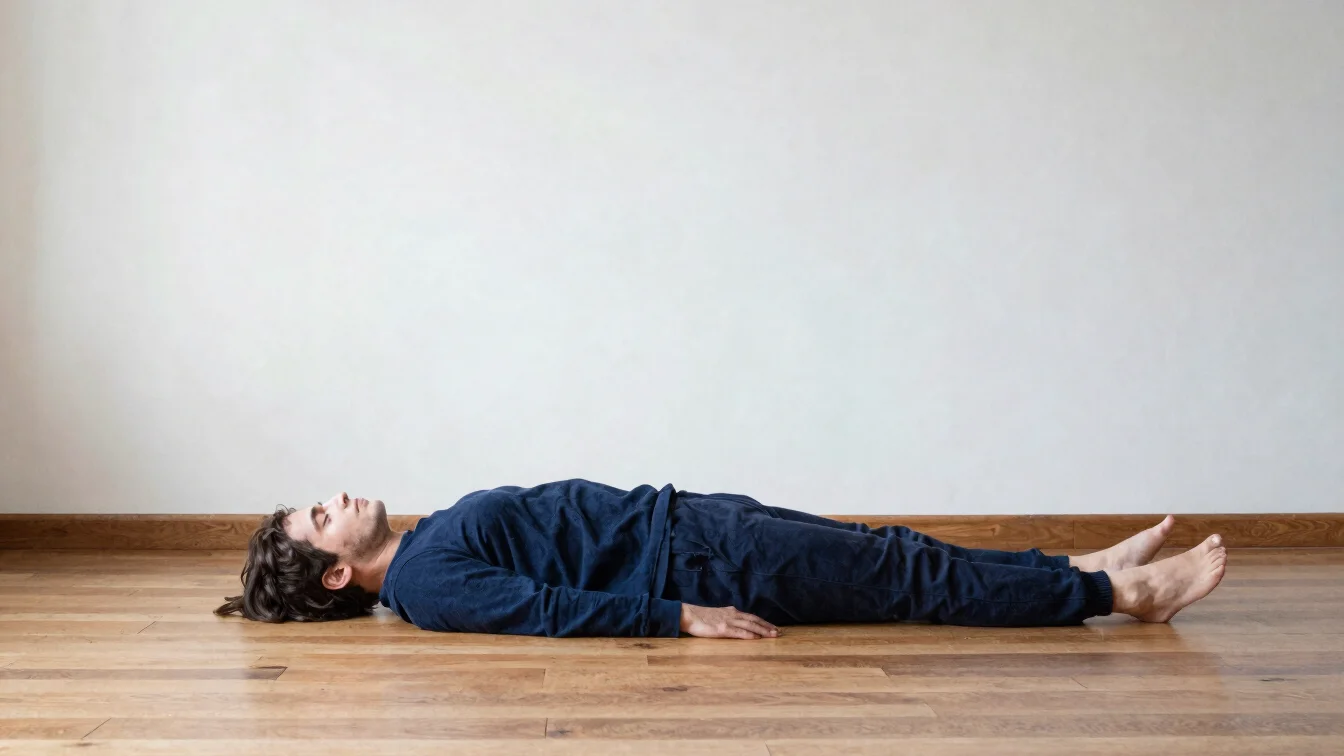
Gentle postural decompression
Brief stretching of the neck, shoulders and hips can ease the tension of long sitting. Stop any movement that causes pain and consult a professional for persistent discomfort.
Pauses
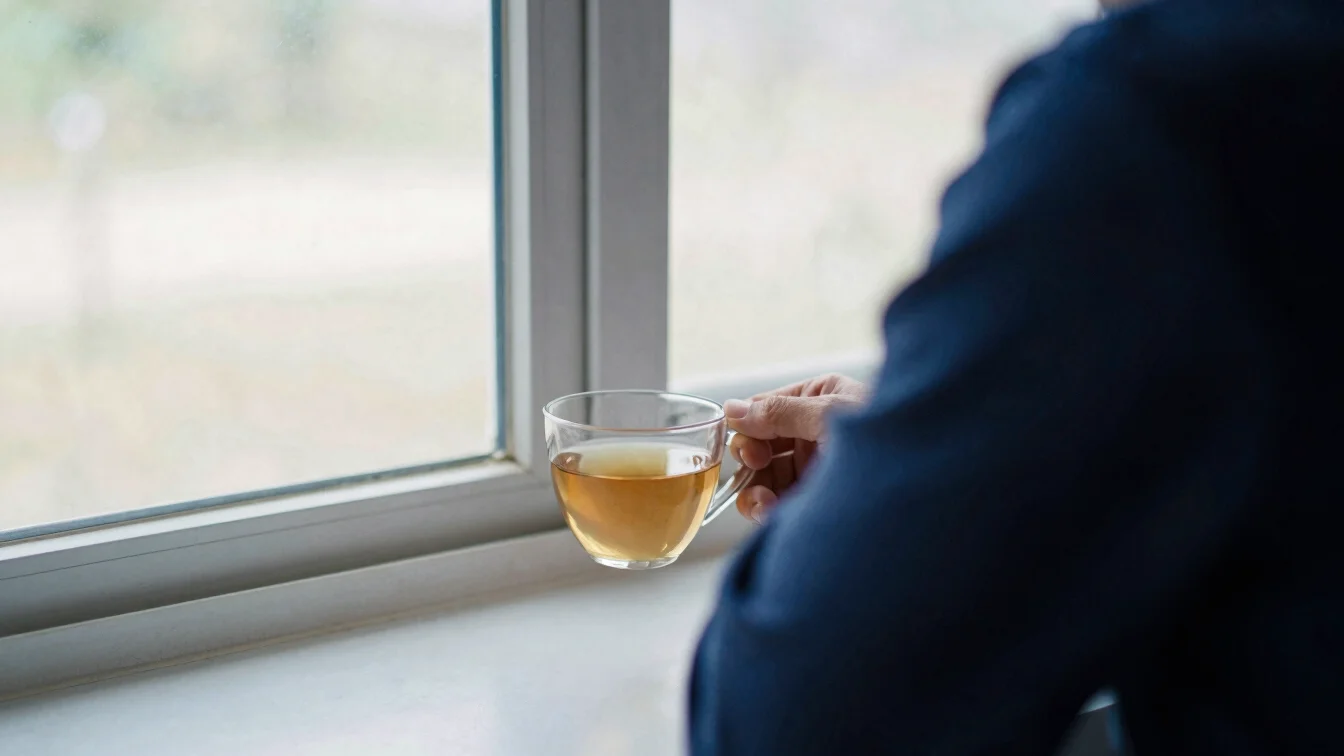
Sensory micro-breaks
Stepping outside for a minute, listening to ambient sound or simply looking at distant horizons can interrupt sustained stress. These habits are low-risk, and their benefits are best understood as personal rather than universal.