
Sports recovery
Rest, load and recovery after exertion
Progress depends as much on what happens between sessions as on the sessions themselves. This guide explains how rest, training-load management and daily habits after effort support the body's repair process.
Where the evidence is solid, we say so. Where practical advice rests on expert consensus rather than trials, we flag it, so readers can weigh each recommendation accurately.
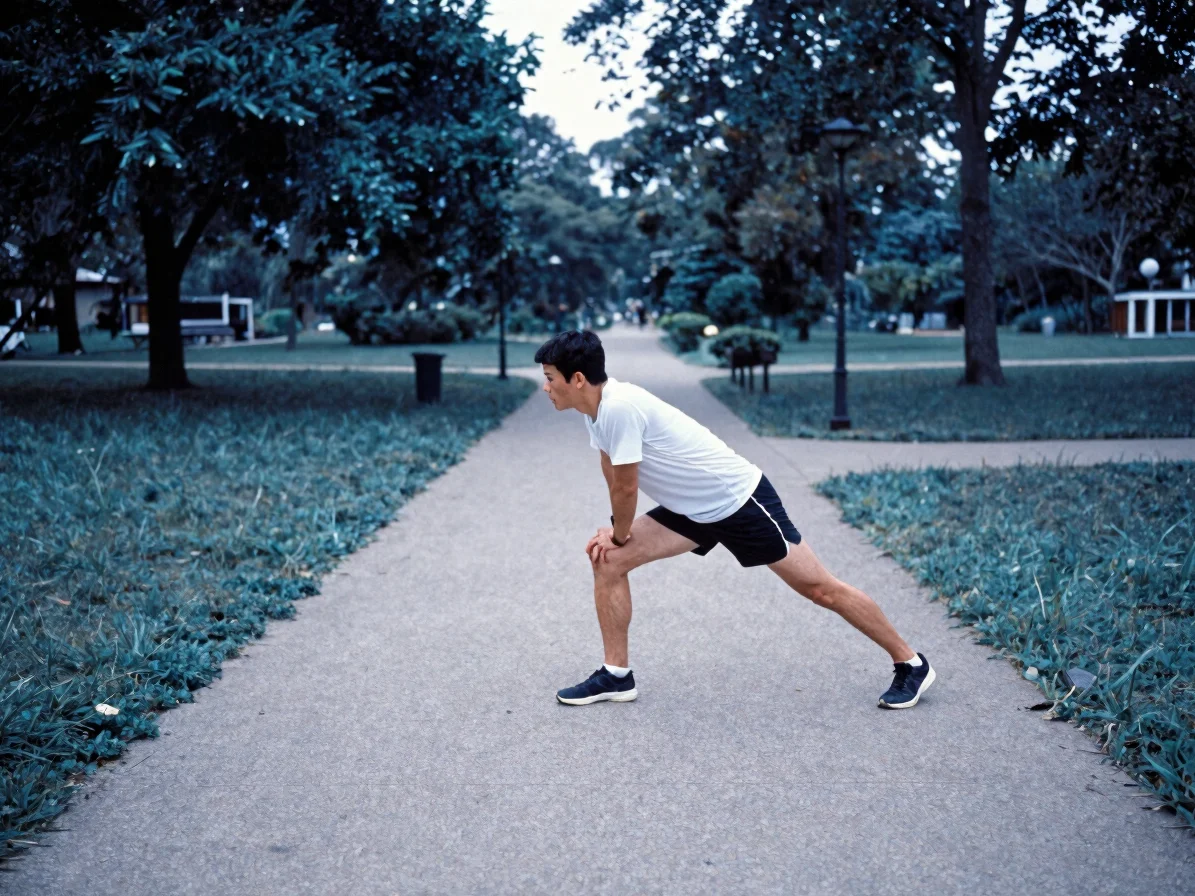
Training-load management: spacing hard sessions, adjusting intensity and listening to fatigue signals.
Key points for everyday training
Effective progression relies on strategic rest and deliberate load control. Post-effort nutrition timing, a gentle cool-down and adequate hydration support muscle repair. When signs of overreaching appear, reducing intensity is often more productive than adding training.
The recovery timeline
From the first hour to 48 hours
First hour
Rehydrate gradually and eat a balanced snack combining carbohydrates and protein to replenish energy stores.
First day
Use a short, easy cool-down and gentle mobility work. Consistent sleep supports hormonal and muscular repair.
Up to 48 hours
Plan the next session around tissue readiness. Hypotheses about longer-term cell effects remain less settled than daily habits.

Habits after effort
Gentle mobility, refuelling and calm
Light movement, a gradual return to rest and a few minutes of slow breathing help the nervous system shift out of effort mode. These routines are simple, low-cost and sustainable across a training season.
Refuelling works best as a habit: a planned meal after training, regular hydration through the day, and sleep protected from late screens and heavy evening meals.