
Cold-based recovery
How cold exposure works, and what the evidence shows
Cold exposure takes several forms: cold-water immersion, localized cold packs, and whole-body cryotherapy chambers. Each involves different temperatures, durations and physiological effects, and each is studied with different levels of rigor.
What is documented
Peripheral vasoconstriction, the body's short-term response to cold, is well described in physiology literature. Its effects on perceived soreness after exertion are reported in several studies, though results vary with protocol and participant.
What remains open
Claims about long-term adaptation, immune effects or deep metabolic change rest largely on hypotheses and small studies. We present these as open questions rather than established facts.

Different practices
Three cold-based approaches
Cold-water immersion
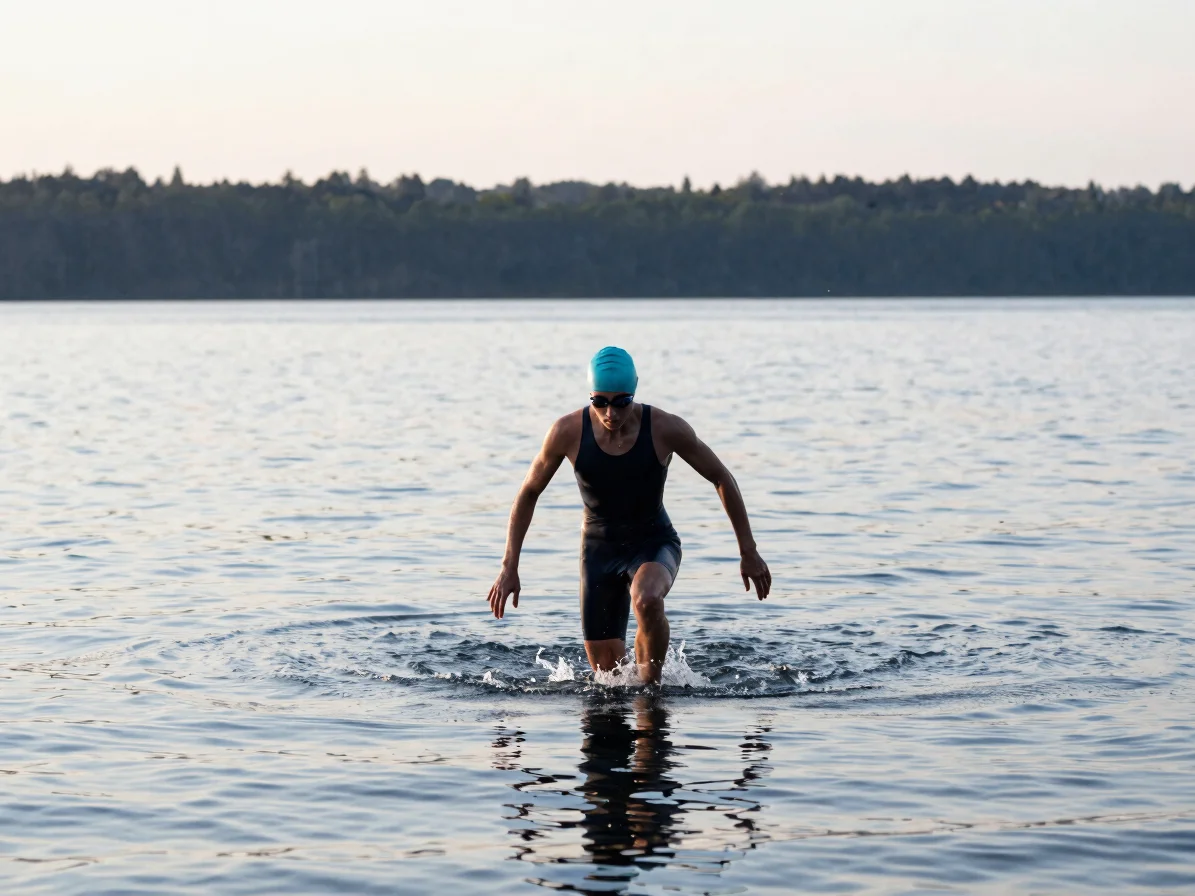
Immersion in water typically between 10 and 15 °C for several minutes. It is the most studied format for post-exercise recovery, with mixed results depending on timing and training context.
Localized cold application
Cold packs or ice applied to a specific area for limited periods. Its use is common in sports settings for short-term comfort, and it carries a lower exposure load than whole-body methods.
Whole-body cryotherapy chambers
Short sessions in chambers cooled with nitrogen vapour or cold air, usually under three minutes. Evidence on recovery and wellbeing is limited and largely from small trials, so outcomes should be treated as uncertain.

Before you begin
Precautions and limits
Cold exposure is not suitable for everyone. People with cardiovascular conditions, Raynaud's phenomenon, cold urticaria or pregnancy should consult a physician before any cold-based practice. Keep exposure durations short, stop at any sign of dizziness or numbness, and treat promises of guaranteed results with caution.